

Freight Company
Australia's Fastest Freight for Seamless Logistics Solutions. Elevate Your Logistics with Our Expert Freight Company Services!
Setting the Pace as Australia's Fastest Freight Company
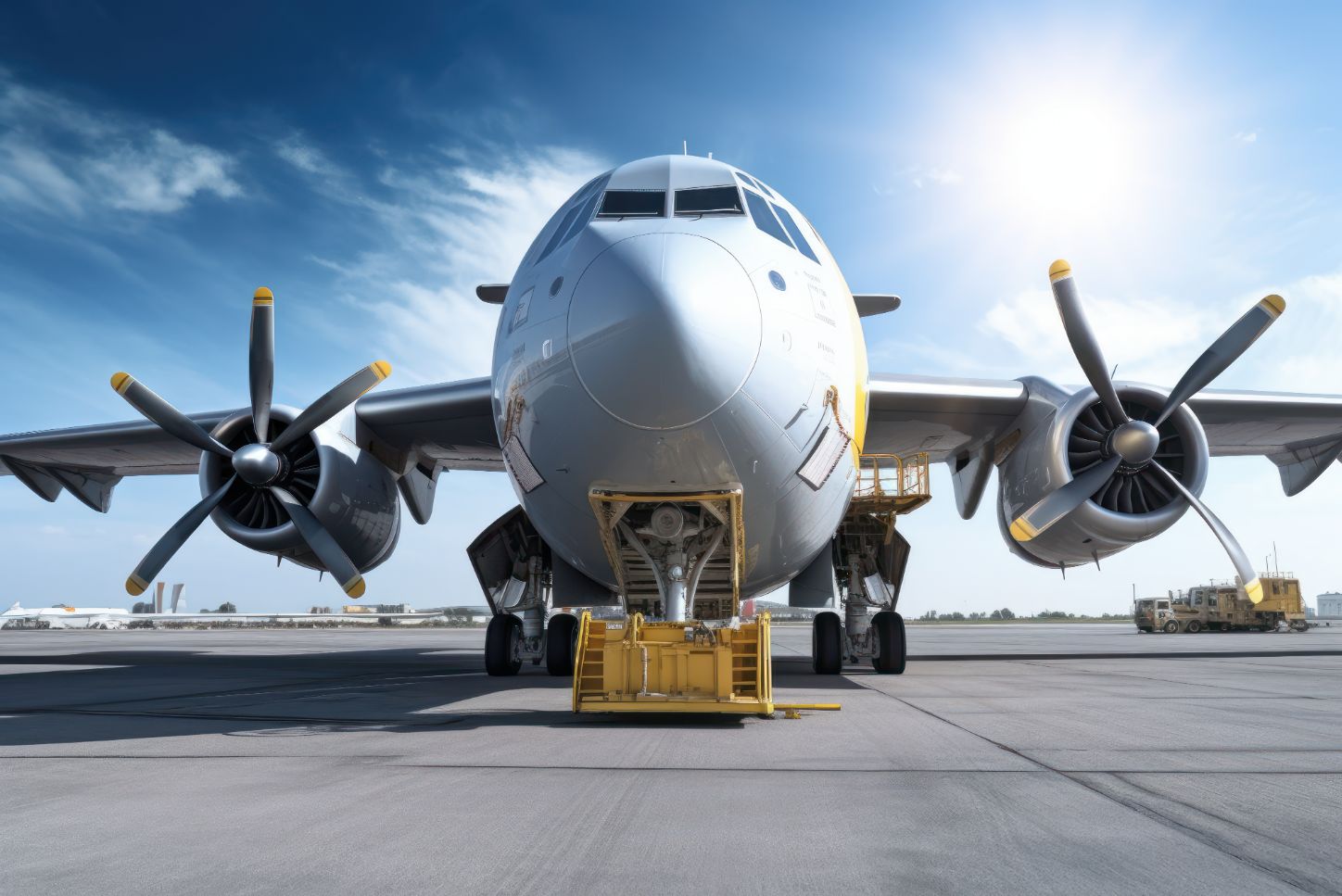
Air freight companies play a crucial role in the global transportation of goods, facilitating the swift movement of products across borders. These companies specialize in the efficient and rapid delivery of cargo by air, offering a reliable and time-sensitive solution for businesses engaged in international trade.
One key advantage of air freight is its speed. Air shipments can cover vast distances in a matter of hours, ensuring timely delivery of time-sensitive goods. This makes air freight companies particularly valuable for industries where quick turnaround times are essential, such as the technology and healthcare sectors.
Moreover, air freight offers a high level of security. With stringent regulations and advanced tracking systems, air cargo is closely monitored from origin to destination, reducing the risk of theft or damage. This level of security is especially crucial for the transportation of valuable or sensitive goods.
However, the convenience and speed of air freight come at a cost. Airfreight is generally more expensive compared to other modes of transportation, making it less economical for certain types of cargo. As a result, businesses must carefully weigh the benefits of speed and security against the higher costs associated with air freight.
Air freight companies play a pivotal role in the global supply chain by offering rapid and secure transportation solutions. Businesses must assess their specific needs and priorities to determine if air freight is the most suitable option for their cargo.
In Melbourne’s thriving business landscape, freight companies are essential for the smooth movement of goods, forming a crucial link in the supply chain. CargoMaster, an established and reputable freight company operating in Melbourne, specializes in comprehensive logistics solutions. With a focus on efficiency, reliability, and customer satisfaction, CargoMaster utilizes advanced technology and a well-coordinated network for seamless transportation across air, sea, and land. Their dedication to providing cost-effective and timely solutions has positioned them as a trusted partner for businesses managing cargo in and around Melbourne. CargoMaster’s commitment to customer satisfaction and expertise in global trade complexities solidify its reputation as a leading player in the freight and logistics industry.
Understanding the Role of Air Freight Companies
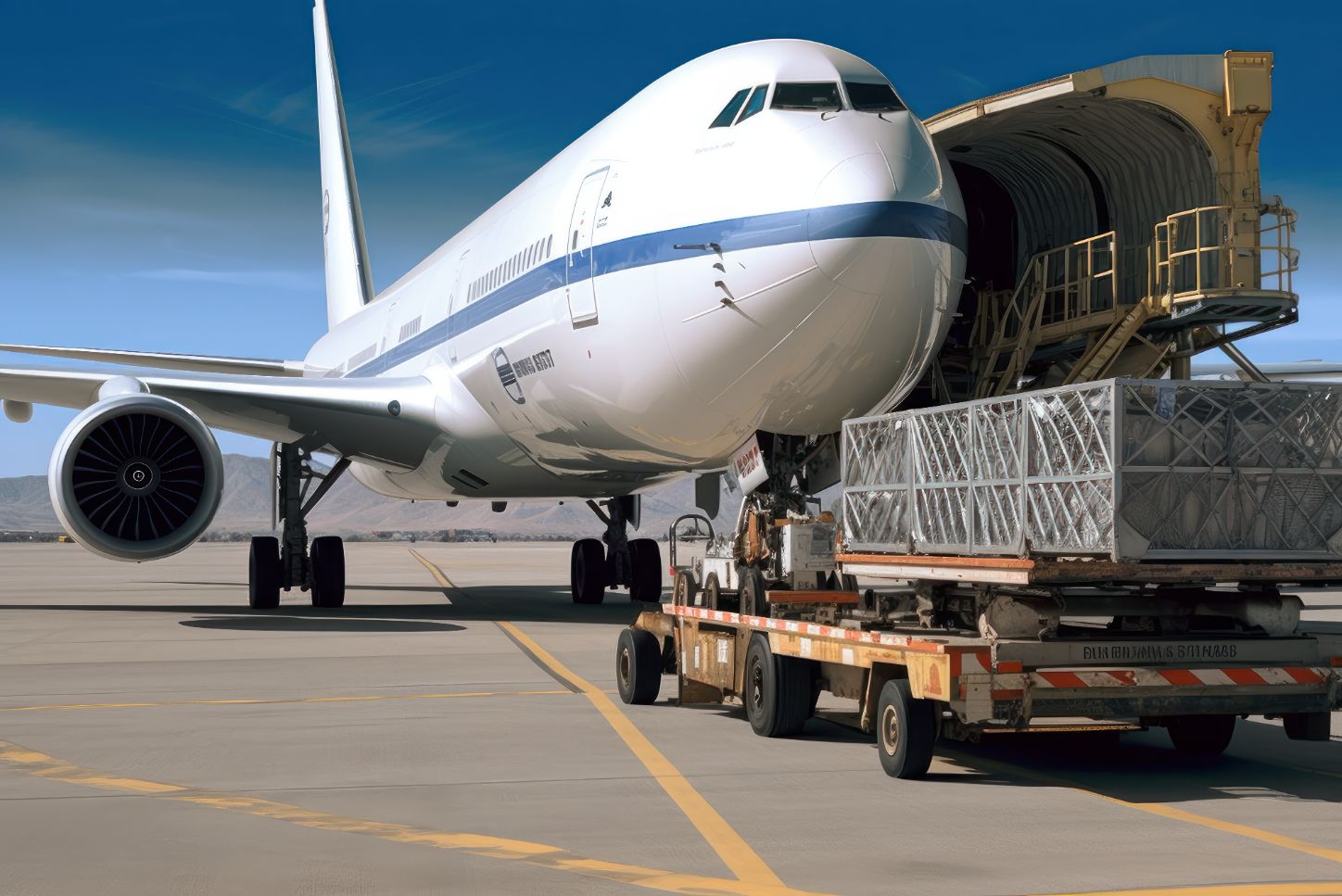
In the realm of global trade and commerce, the significance of air freight companies cannot be overstated. These specialized entities are instrumental in facilitating the seamless movement of goods across international borders, offering a swift and efficient alternative for businesses engaged in cross-border transactions.
One of the standout features of air freight is its unparalleled speed. Unlike other modes of transportation, air shipments can cover vast distances within a matter of hours, providing a crucial advantage for industries where time sensitivity is paramount, such as the technology and healthcare sectors.
However, this expeditious mode of transportation comes at a cost. The convenience and rapidity of air freight translate to higher operational expenses, making it a less economical choice for certain types of cargo. As businesses evaluate their transportation needs, they must carefully weigh the benefits of speed against the associated costs.
Additionally, air freight boasts a high level of security. Rigorous regulations and state-of-the-art tracking systems ensure the constant monitoring of air cargo from its origin to its final destination, minimizing the risks of theft or damage. This heightened security is particularly crucial for the transportation of valuable or sensitive goods.
Landscape of Air Freight Services Providers
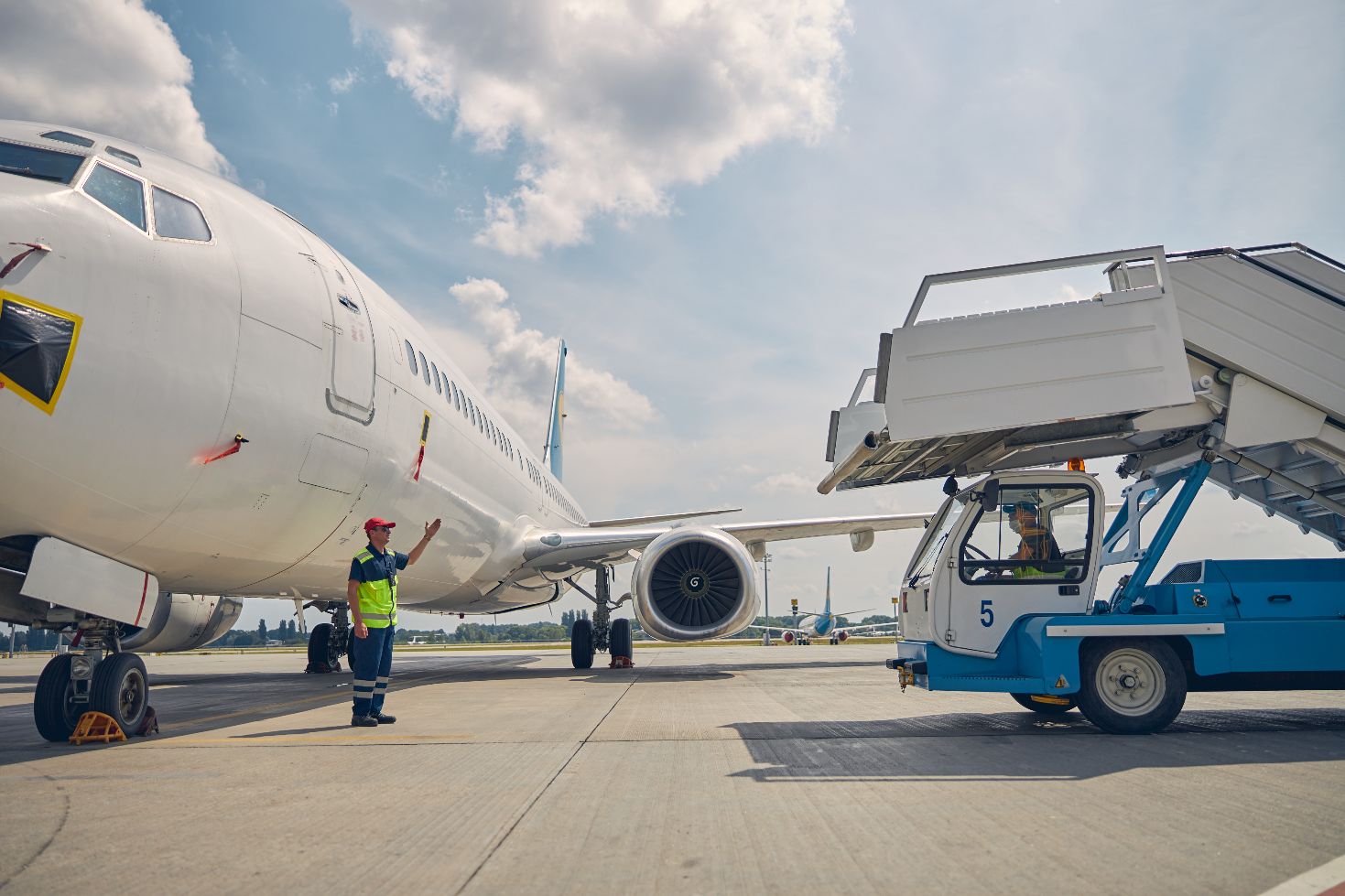
The air freight industry encompasses a diverse array of service providers, each specializing in the efficient and rapid movement of cargo through the skies. From global behemoths to niche players, these companies collectively contribute to the dynamic landscape of air cargo. Here, we explore key entities in the air freight sector without specific brand references.
Express Transportation Leaders: Some companies specialize in express transportation services, emphasizing reliability and speed. These entities operate extensive networks of aircraft to serve a multitude of industries, including e-commerce, healthcare, and automotive.
Integrated Logistics Providers: Many global logistics companies have dedicated air freight divisions that complement their comprehensive suite of services. These providers leverage a fleet of cargo aircraft to ensure the seamless movement of packages and freight, contributing significantly to integrated logistics solutions.
Specialized Cargo Airlines: Certain companies focus on the transport of oversized and specialized cargo. These players often serve industries such as aerospace, oil and gas, and pharmaceuticals, providing tailored solutions for unique shipping requirements.
National and Regional Carriers: Beyond global players, regional and national carriers also play a crucial role in air freight. These carriers connect specific geographical regions, contributing to the overall accessibility and efficiency of air cargo transportation.
Cargo Divisions of Passenger Airlines: Numerous passenger airlines operate dedicated cargo divisions, recognizing the growing demand for air freight services. These divisions leverage the existing infrastructure and networks of the parent airline to offer cargo transportation services.
These diverse players collectively shape the air freight industry, meeting the varied needs of businesses engaged in global trade and commerce.
Technological Advancements Reshaping Air Freight Logistics
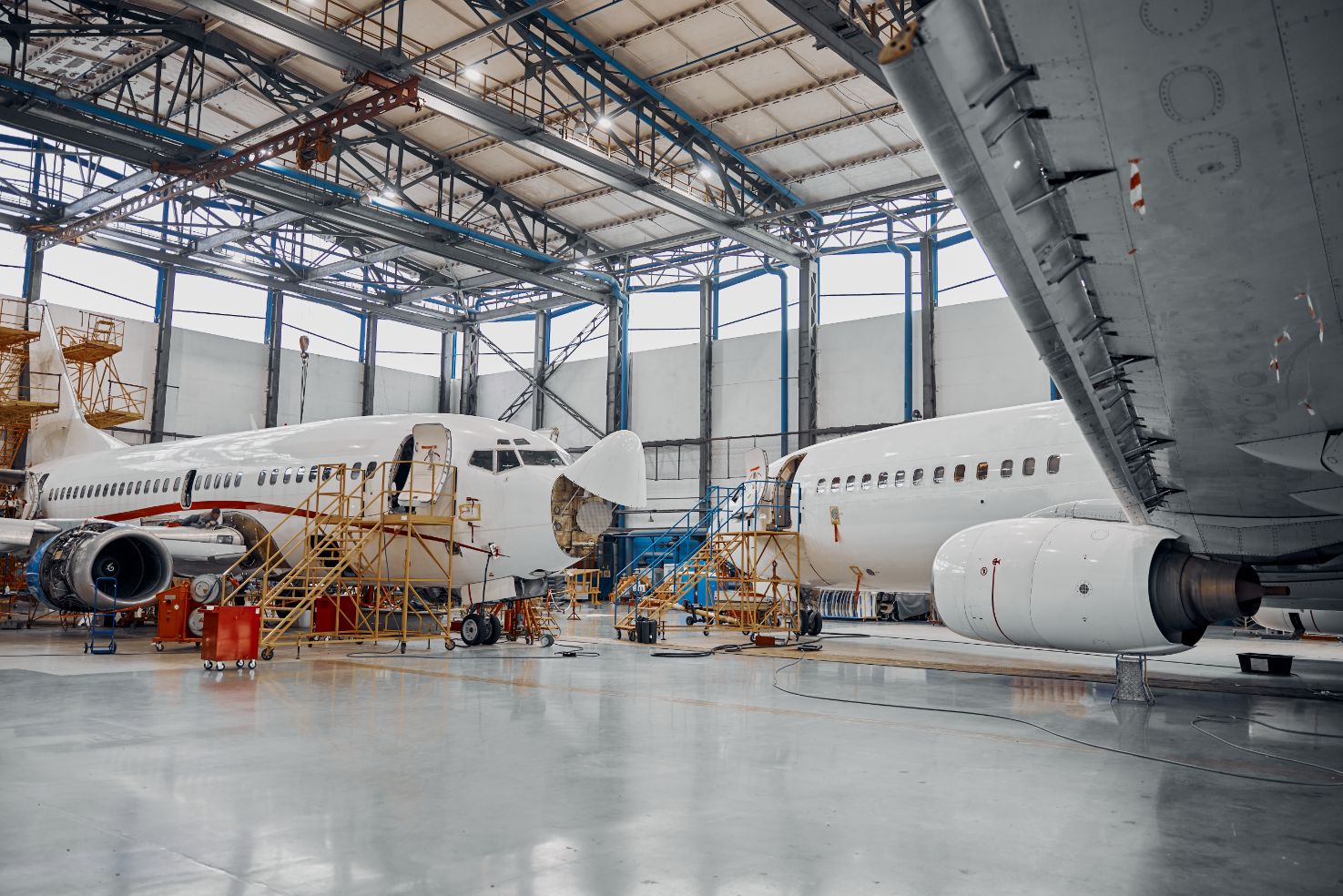
The air freight industry is undergoing a technological revolution that is redefining how companies manage and optimize their logistics operations. From advanced tracking systems to artificial intelligence applications, several key technological trends are propelling the air freight sector into the future.
IoT-driven Cargo Tracking: The integration of the Internet of Things (IoT) has revolutionized cargo tracking. Smart sensors and devices embedded in cargo shipments provide real-time data on location, temperature, and humidity, enhancing visibility across the entire supply chain.
Blockchain for Enhanced Security: Blockchain technology is finding applications in air freight logistics to improve transparency and security. By establishing an immutable and decentralized ledger, blockchain minimizes the risk of fraud and errors in documentation, streamlining customs processes and reducing delays.
Predictive Analytics for Informed Decision-Making: Leveraging machine learning algorithms, predictive analytics forecasts demand, optimizes routes, and predicts potential disruptions in the supply chain. This data-driven approach enables air freight companies to make informed decisions, improving overall efficiency and reducing costs.
Automation and Robotics Streamlining Operations: Automation is becoming pervasive in various aspects of air freight logistics, from automated warehouses to robotic process automation (RPA) in administrative tasks. This not only enhances speed and accuracy but also reduces reliance on manual labor in repetitive and routine tasks.
Drone Technology for Last-Mile Delivery: While still in its nascent stages, the use of drones in air freight is gaining traction. Drones have the potential to handle last-mile deliveries and reach remote or inaccessible areas, significantly reducing delivery times and enhancing overall operational efficiency.
As air freight companies embrace these technological trends, the industry is poised for increased efficiency, reduced costs, and heightened customer satisfaction.
Pursuing Environmental Sustainability in Air Freight
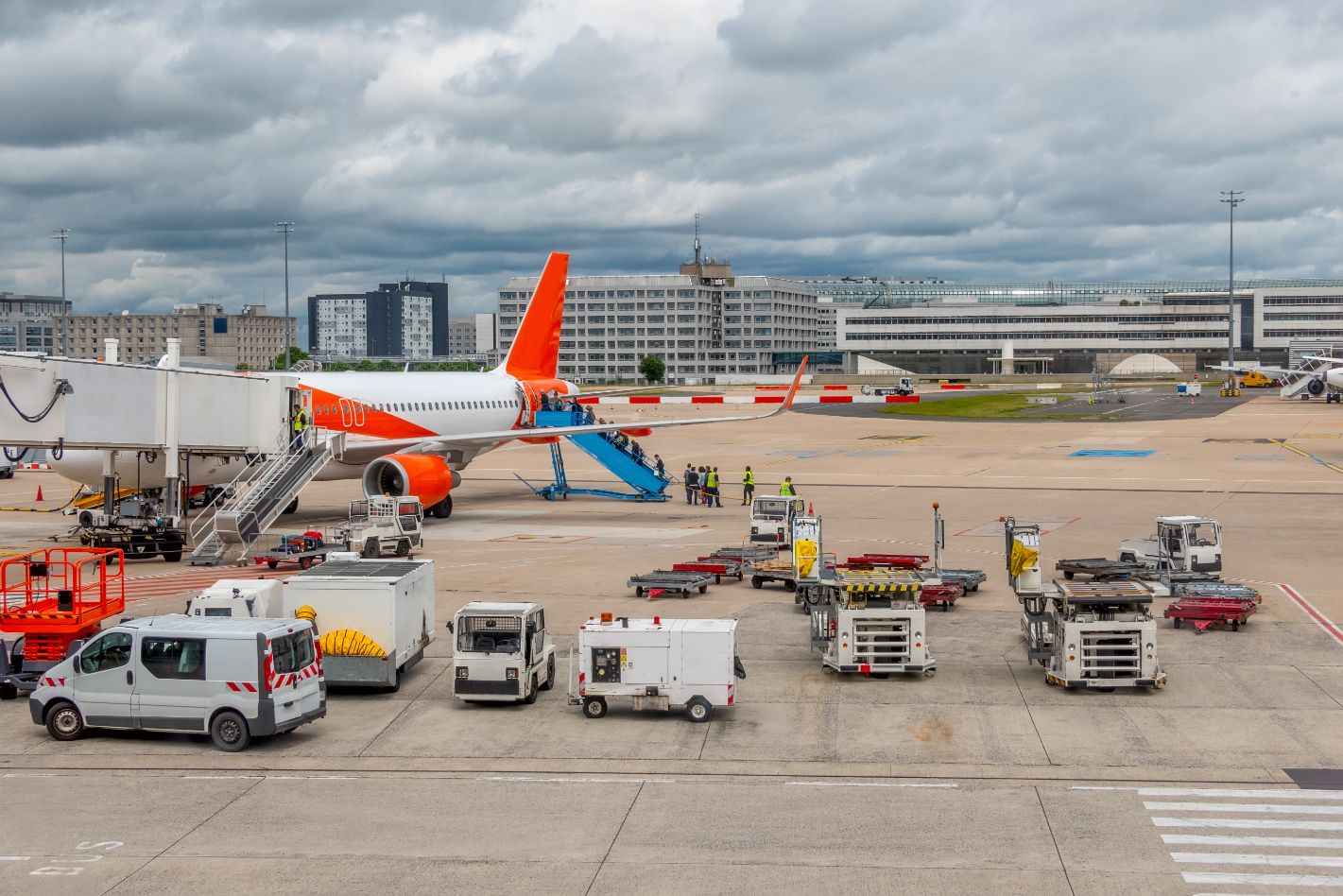
In the wake of increasing environmental awareness, the air freight industry is facing scrutiny regarding its carbon footprint. Air freight companies are proactively exploring and implementing measures to mitigate their environmental impact. Here are key initiatives promoting sustainability within the air freight sector.
Investment in Fuel-efficient Aircraft: Airlines and air freight companies are investing in modern, fuel-efficient aircraft to minimize fuel consumption and emissions. Newer models incorporate advanced aerodynamics and fuel-efficient engines, contributing to a greener and more sustainable air freight operation.
Exploration of Alternative Fuels: Ongoing research and development efforts are exploring alternative fuels for aviation. Biofuels, derived from renewable sources, are being tested as viable options to reduce reliance on traditional jet fuels, potentially lowering greenhouse gas emissions in the long run.
Enhancing Operational Efficiency: Optimizing flight routes, improving ground operations, and enhancing overall logistics efficiency are critical components of a sustainable air freight strategy. By reducing unnecessary delays and minimizing idle times, companies can decrease their environmental impact and operate more responsibly.
Implementation of Carbon Offsetting Programs: Many air freight companies are actively implementing carbon offsetting programs to compensate for their emissions. These programs involve investing in projects that reduce or capture an equivalent amount of carbon dioxide from the atmosphere, helping offset the environmental impact of air freight operations.
Adoption of Sustainable Technologies: From electric ground vehicles at airports to the incorporation of green technologies in cargo handling processes, air freight companies are actively seeking sustainable alternatives. Investing in eco-friendly technologies contributes to the overarching goal of creating a more environmentally responsible air freight industry.
As the demand for sustainable practices continues to rise, air freight companies are recognizing the importance of adopting eco-friendly measures to ensure a more sustainable future for the industry.